BOOK
LAYOUTS
A book layout involves organizing text, images, and design elements for print or digital formats. It includes choosing appropriate fonts, font sizes, and margins, as well as setting up chapters, headers, and page numbers.
The layout ensures readability, with consistent styling throughout. It also includes elements like illustrations, tables, and proper spacing for a polished, professional finish. The layout strategy of the book changes according to the type of book it is.
LAYOUT A
BOOK
BOOK
LAYOUT

BOOK
LAYOUT
LAYOUT A
BOOK
BOOK
LAYOUT
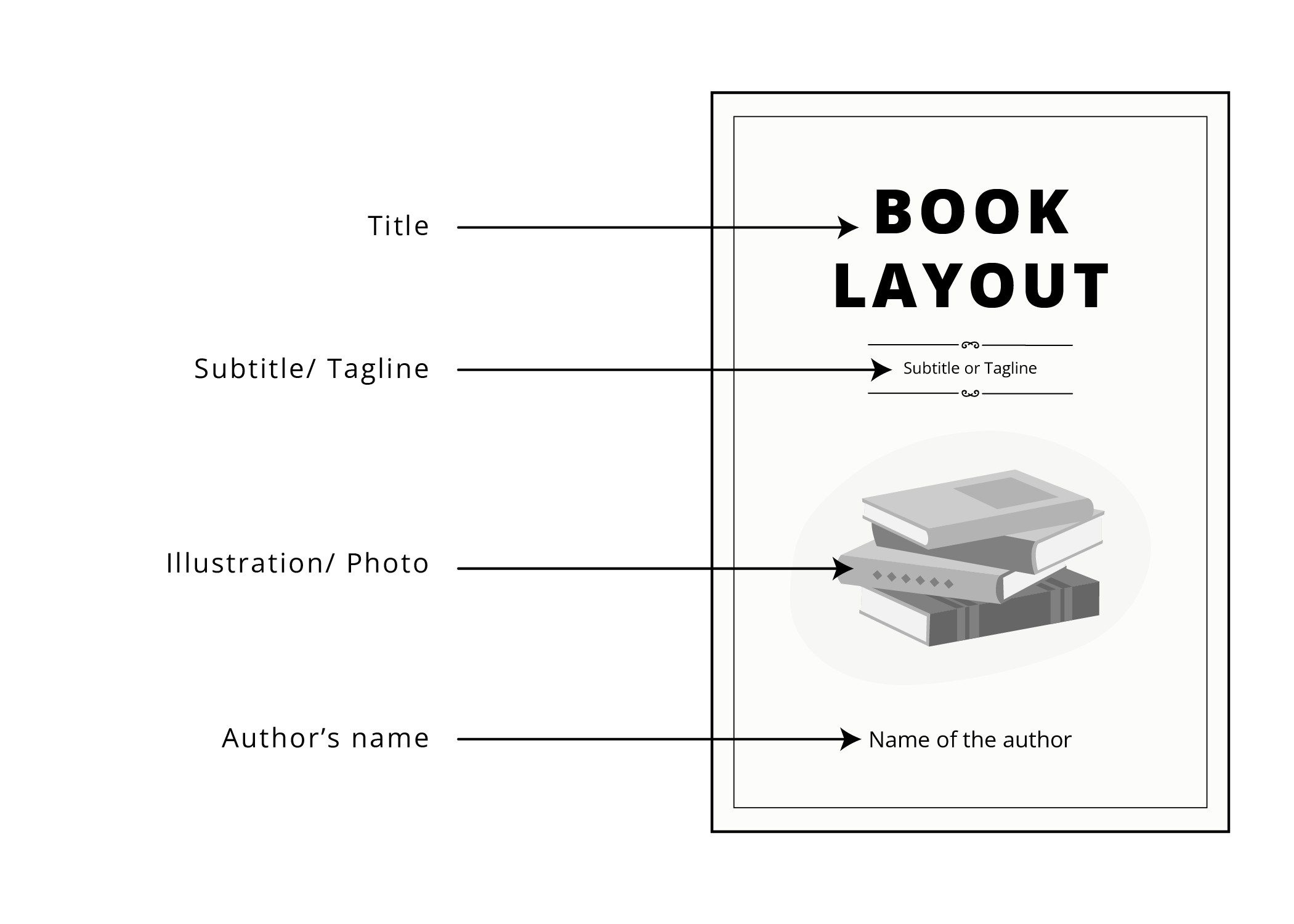

How to layout a book?
- How to pick size of paper?
- How to set margin?
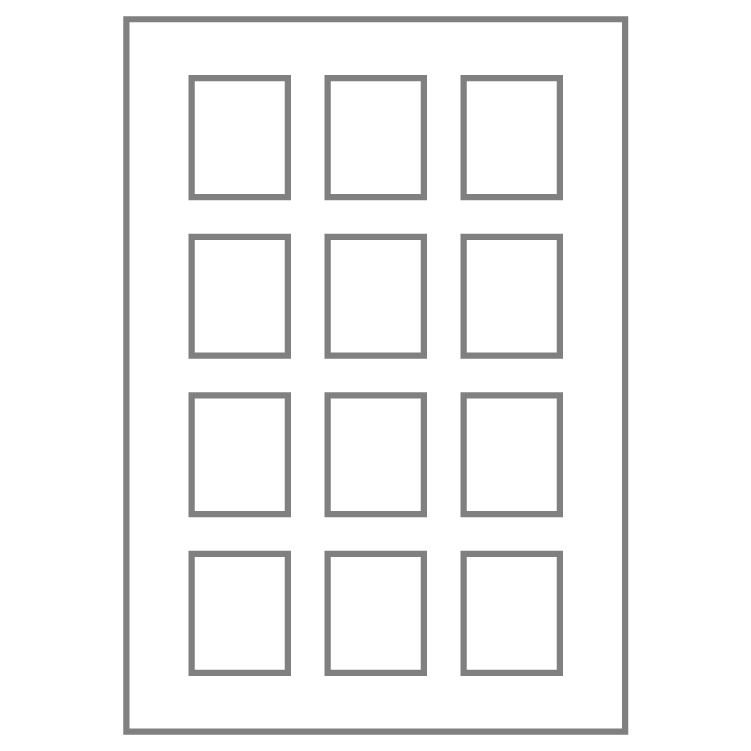
- How to choose a grid?
- How to place type?
- How to place images?
How to pick a book size?
Book size is most commonly referred to in printing as trim size. It depends on the book's genre, the industry norms for that genre & the no. of pages, which also affects the words per page and the printing costs.
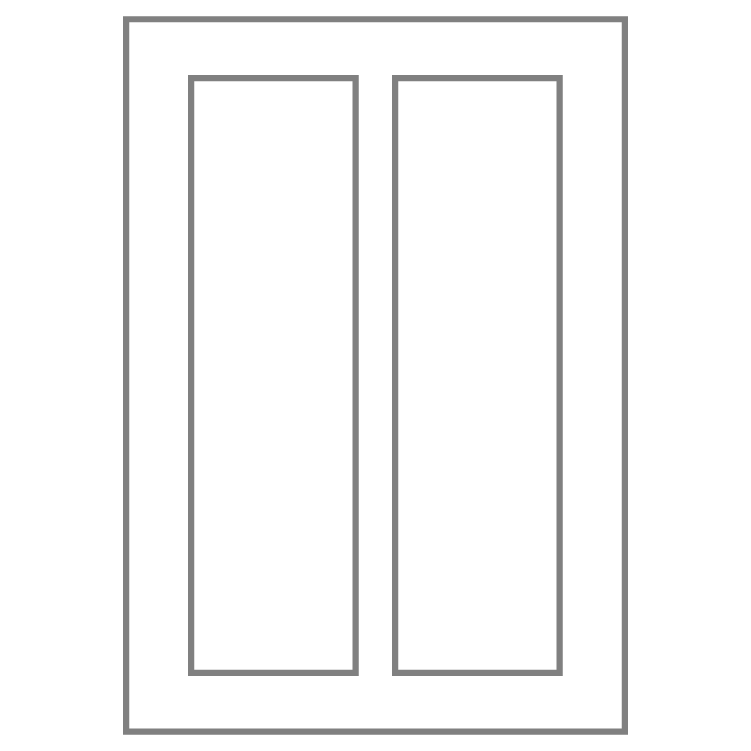
- Bleed Area
- Top Margin
- Bottom Margin
- Outer Margin
- Inner Margin
- Gutter

- Body Text
- Headline
- Alignment
- Book Block
- Lines per Page
- Hyphenation
- Ladders
- Rivers
- Widows
- Orphans
- Drop Cap Illustration
- Spot Illustration
- Half Page Images
- Full Page Images
- Center of Double Spread
- 1 and 1/4 Images
- Double Spread Images
 Tracking
 Kerning






The portrait orientation refers to a book that has a width dimension smaller than its height dimension. It has a vertical shape which is the most common size for a printed book. It is commonly used for text heavy genres of books like fiction & non-fiction novels, textbooks, memoirs.
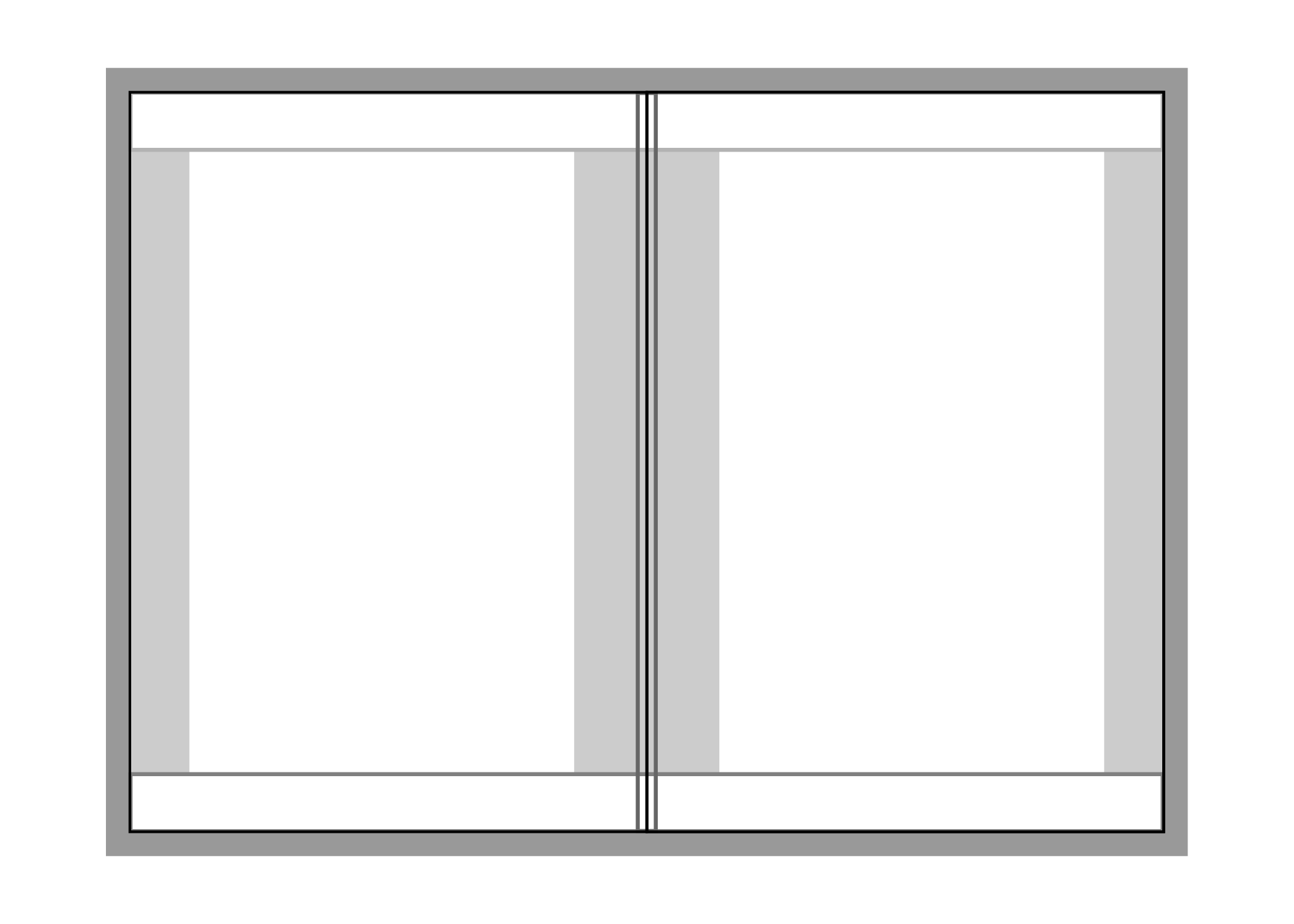
Layout according to the types of books
Types of book layout
Types of books >> Novel
- Novel
- Comic Book
- Children's Book
- Cofee Table Book
- Encyclopedia
- Grid Used
- Typeface
- Line Spacing
- Justification
- Page Numbers
- Use of Header
- Images
- Size
- Elements/ Parts Panel Arrangements
- Grid Type
- Staggering
- Blockage
- Widescreen
- Whole Column
- Insert
- Separation
- Overlap
- Balloons/ Bubbles
- Lettering
- Types of Picture
- Typography
- Image Variations
- Grids Used
- Navigation
- Images
- Typography
- Breakout Boxes
- Grid Used
- Layout
Grid used
Gutter is 0.825" to 1"



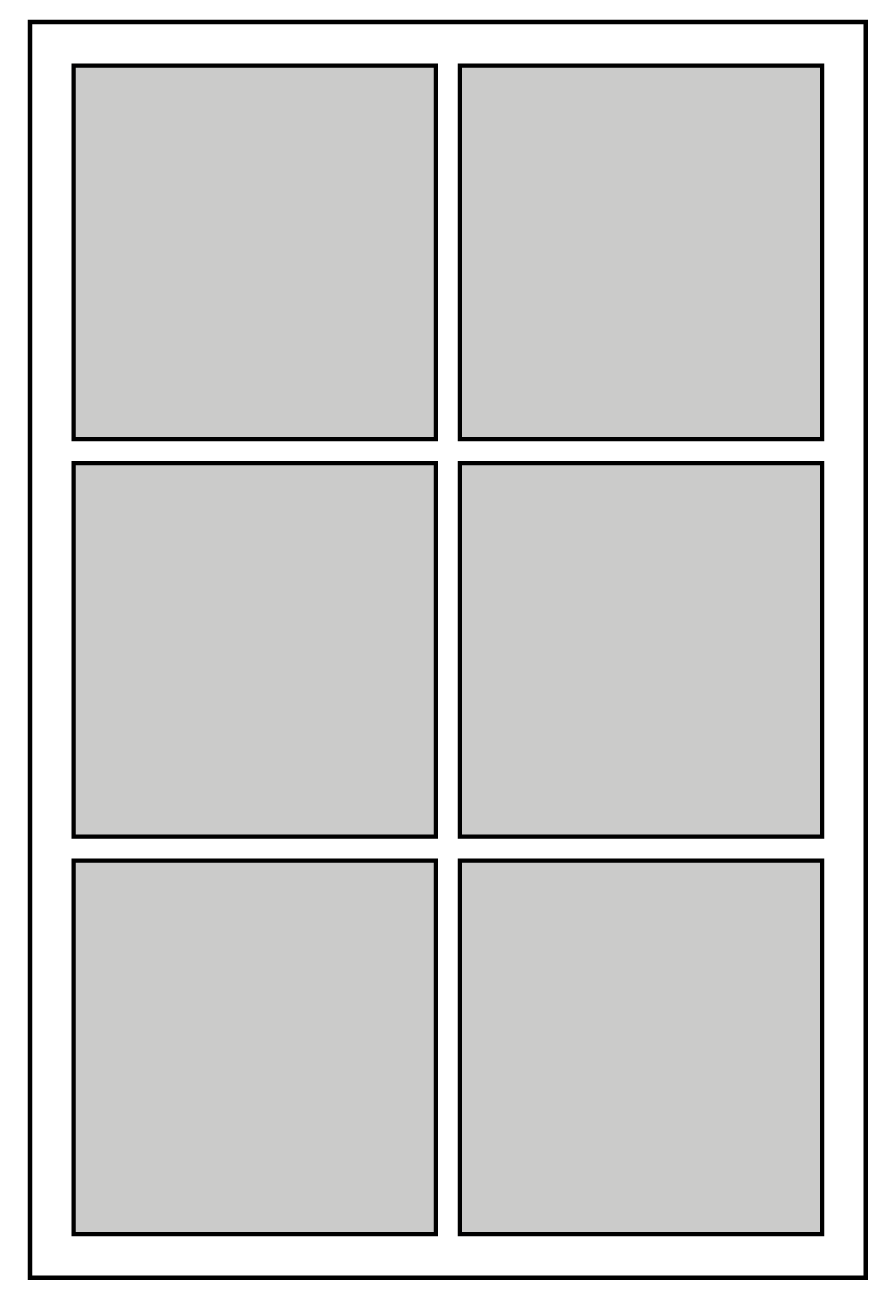

- Garamond
- Baskerville
- Franklin Gothic
- Magazine sized
- Standard Sized
- Manga Sized
 Horizontal
 vertical
- Grid 1
- Grid 2
- Grid 3
- Grid 4
- Grid 5
- Header
- Footer
- Sides1
- Sides2
- Header+Sides
- Page break


Gutter is 0.825" to 1"